Mid Drop Fade Products
Buying Guide
Choosing mid drop fade products is less about the label on the tin and more about two things nobody puts on the packaging: your hair type, and the finish you actually want.

You're probably buying the wrong one
Most men shopping for mid drop fade products blame their styling skills when their hair doesn't sit right. Usually it isn't skill — it's that the product was never designed to do the job being asked of it. Clay, paste, pomade, cream, powder and salt spray are not interchangeable, and the labels do almost nothing to explain the difference. "Matte paste" and "styling clay" sound like the same thing on a shelf.
Nobody stands in a shop thinking I need a medium-hold water-based pomade with low shine. The actual thought is closer to I want to look put-together without looking like I tried. So this guide works backwards from that: what result you want, what hair you have, and only then which product does it.
One thing specific to this haircut: the faded sides need no styling product at all. That's the cut doing the work, not the hair. Every product decision here is about the top — plus one grooming product for the exposed skin, which most guides skip entirely.
Matte to glossy finish spectrum
Mid drop fade products decoded
| Product | Hold & finish | Best hair type | Struggles with |
|---|---|---|---|
| Matte clay | Firm hold, zero shine, noticeable weight. Gritty texture that separates strands. | Fine to medium-thick. The weight is a feature — it gives lighter hair structure it can't create alone. | Very coarse or extremely dense hair, where getting an even result takes more product than is practical. |
| Paste | Medium hold, low shine, softer than clay and easier to work through. Reworkable through the day. | Almost anything. This is the safe default if you don't yet know what you want. | Nothing badly, but it won't give you either extreme — no razor-sharp control, no true matte grit. |
| Pomade | Strong hold, visible shine, smooths hair down rather than texturising it. | Medium to coarse. Enough weight to manage thick, resistant hair, and the shine suits its natural lustre. | Fine hair. Even light-hold pomade flattens it into a limp, greasy look. Oil-based versions are the worst offender. |
| Cream | Light hold, natural finish, adds moisture and definition rather than structure. | Curly and wavy hair. Defines the pattern without clumping it together. | Any style needing real hold. It won't keep height or a sharp shape in place. |
| Texture powder | Light hold, completely matte, adds grip and volume at the roots. | Fine and thin hair. The most effective way to fake density there is. | Thick hair, which doesn't need the volume, and any polished look. |
| Sea salt spray | Minimal hold, matte, creates a loose lived-in texture rather than a set shape. | Fine and straight hair that falls flat and has no natural movement. | Hold of any kind. It's a pre-styler, not a finisher — often used under clay rather than instead of it. |
What each finish looks like
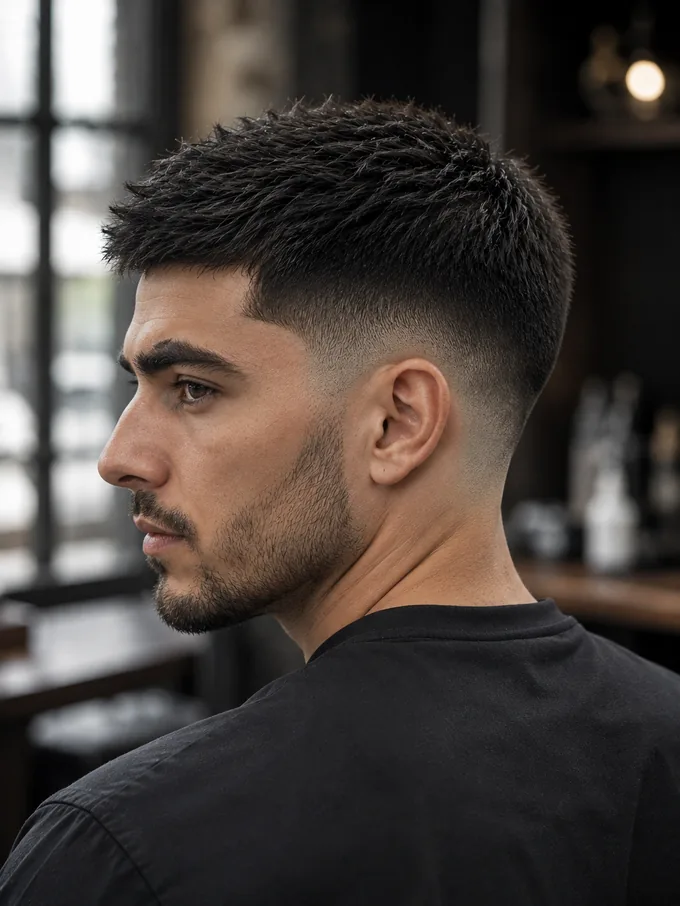

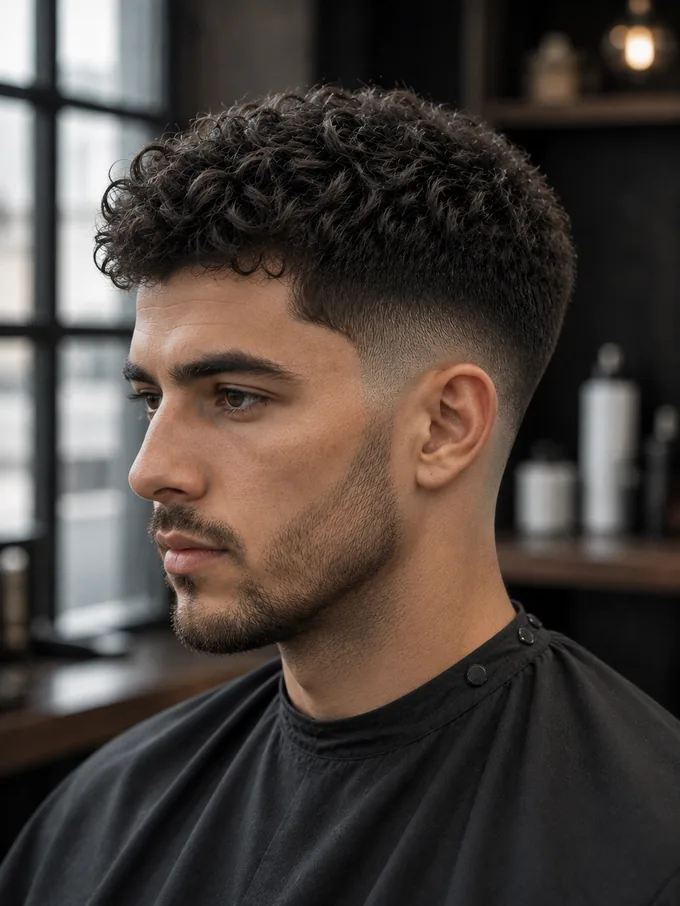
Match it to your top style
How to actually apply it
-
1
Start with a dime, not a scoop
A dime-sized amount for short hair, up to a quarter for anything longer. You can always add more; you can't take it out without washing. Over-application is the most common reason a good product produces a bad result.
-
2
Warm it between your palms first
Rub it out until it's thin and even across both hands. Clay especially goes on in clumps if you skip this, and clumps mean patchy hold and visible residue at the roots.
-
3
Damp or dry — this changes the result
Dry hair gives more hold and more definition. Slightly damp hair gives a softer, more natural finish with the product spreading further. Neither is wrong. Try both on the same product and you'll usually have a clear preference within a week.
-
4
Work from the back forward, roots first
Most people dump everything on the front and end up with a heavy fringe and a flat crown. Starting at the back means the front gets what's left, which is usually the right amount.
-
5
Shape last, with your fingers or a comb
Fingers for textured, separated looks. A comb for anything sleek or parted. The drop line on the sides needs nothing at all — it's already doing its job.
Caring for the faded skin
This is the part product guides almost never cover, and it's specific to fades. When the sides are taken close to the skin, you're exposing scalp that's normally covered — and treating it like hair when it's really skin.
A light, non-greasy moisturiser stops the flaking. Dry, exposed scalp near a fade shows up as white flakes against short dark hair, which reads as dandruff even when it isn't. This matters more in cold or dry weather, and more the closer the fade goes to skin.
Skip heavy oils on the faded area. They sit on the surface, attract lint, and can clog follicles right where the hair is shortest. Lighter is better here, whatever the label claims.
If you get razor bumps at the neckline, that's not a product problem. It's usually the finish at the nape. Worth raising with your barber rather than treating with more product. The maintenance guide covers upkeep between cuts.
What you don't need
- A product for the fade itself. There isn't one, and anything marketed that way is selling you a category that doesn't exist. The sides are a haircut, not a hairstyle.
- More than two styling products. One for hold, one pre-styler if your hair needs it. That covers almost everyone. A shelf of tins usually means the first one was the wrong choice.
- Strong gel. High hold with high shine reads as dated now, and on a modern textured top it produces a crunchy, obviously-styled finish that fights the whole point of the cut.
- Oil-based pomade as your first pomade. It's harder to wash out and takes several washes to fully clear. Water-based gives you the same look with none of that.
- Expensive over suitable. A £10 clay that matches your hair type outperforms a £30 pomade that doesn't, every time.
Common mistakes
Buying by style photo instead of hair type. The photo shows what the product did on someone else's hair. Fine hair under pomade doesn't look like the picture — it looks flat and greasy, no matter how well you apply it.
Using clay on soaking wet hair. Clay needs some dryness to grip. Applied to wet hair it dilutes, loses its hold, and dries into visible residue. Towel-dry first, at minimum.
Never washing it out properly. Clay and oil-based products build up over time. A clarifying wash once a week clears it. Without that, hair gets progressively harder to style and people blame the product.
Restyling with more product instead of water. If your hair drops mid-day, a bit of water reactivates most water-based products. Adding a second layer of product on top just makes it heavy.
Ignoring how long the top is. Product choice shifts as hair grows. What works on a fresh cut may be too light three weeks later. That's a reason to rebook, not to buy something stronger.