Mid Drop Fade
Wavy Hair
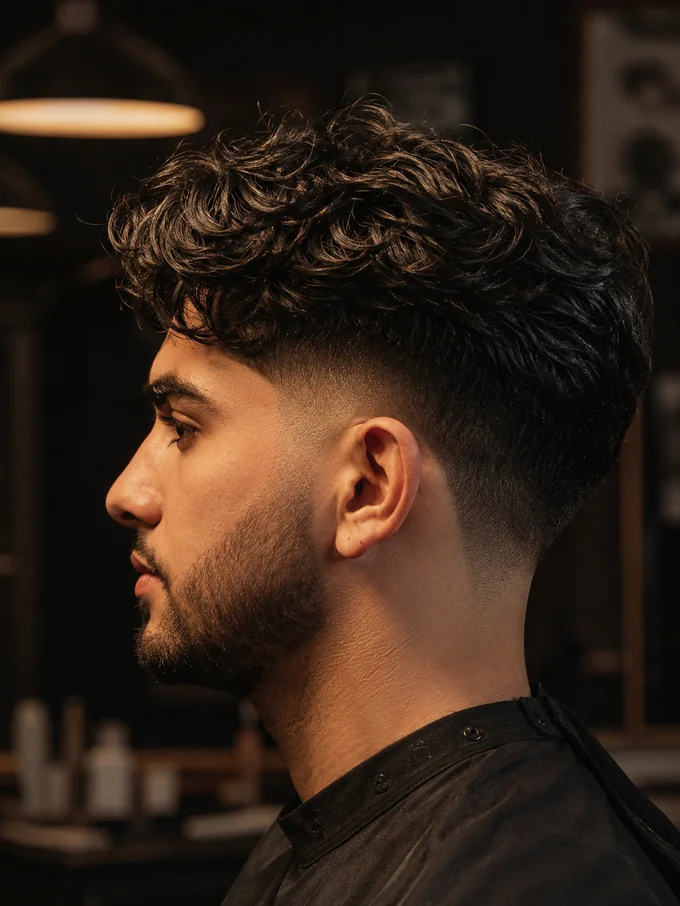
A mid drop fade wavy hair pairing gives the top natural movement without much product — but it's also the cut most likely to look flatter than expected for the first week, and almost nobody explains why.
Why it
works
Wavy hair sits in a useful middle ground between straight and curly hair. It has enough natural movement to give the top some texture and dimension on its own, which means it doesn't need nearly as much product as straight hair to avoid looking flat. This is part of why so many guys with wavy hair end up sticking with this cut long-term, since it requires far less daily styling effort than either of the textures on either end of the spectrum.
At the same time, it's far more predictable to style day to day than tighter curl patterns. The drop line still reads clearly through wavy hair, just with a slightly softer, more natural edge instead of the razor-sharp line you'd get with straight hair, which a lot of guys actually prefer.
The main thing wavy hair needs day to day is some encouragement to keep that wave pattern defined rather than loose and undirected. A light sea salt spray or texturizing cream applied to damp hair, then air-dried or lightly diffused, tends to bring out the most natural-looking result without forcing the wave pattern into something it isn't.
Density plays a role in how this cut reads too. Thicker wavy hair holds visible movement even at shorter lengths, while finer wavy hair sometimes benefits from a touch more length on top so the wave pattern has enough weight to clump and define itself, rather than reading as loose frizz.
Why it looks
flat at first
Here's something almost nobody explains before the appointment: a mid drop fade wavy hair cut often looks noticeably flatter or less defined right after the cut than it does a week later. This is a real, documented phenomenon sometimes called "curl shock" or "scissor shock" — cutting weight off the ends changes how the remaining hair hangs, and it takes a few days to a couple of weeks for the wave pattern to fully re-clump and settle into its normal shape.
It's not damage and it's not a bad haircut. It's simply that the length you're used to seeing had built up enough weight to pull the waves into their familiar pattern, and a fresh cut temporarily resets that. The shorter ends haven't caught up to the rest yet.
| Timeframe | What to expect |
|---|---|
| Day 1–2 | Waves often look flatter, looser, or slightly uneven — this is the most common time to feel disappointed by a fresh cut. |
| Days 3–7 | Natural oils redistribute and the cut ends start settling; wave definition typically starts returning. |
| Weeks 2–3 | Full wave pattern is usually back to normal, often looking better than before since the shape is now fresh. |
The cutting technique matters too. Ask your barber to avoid heavy thinning shears or razor-cutting on top if you want to keep waves clumping the way they did before. Both techniques remove weight unevenly across each strand, which can leave wavy hair looking frizzier or more scattered rather than settling into smooth, defined waves once it grows out a bit.
If you're getting a mid drop fade wavy hair cut for the first time, it helps to know this going in. The disappointment most people describe after a fresh cut — "it doesn't look like my old hair anymore" — is almost always this settling period, not a sign the cut itself was wrong. Give it the full couple of weeks before judging the final shape.
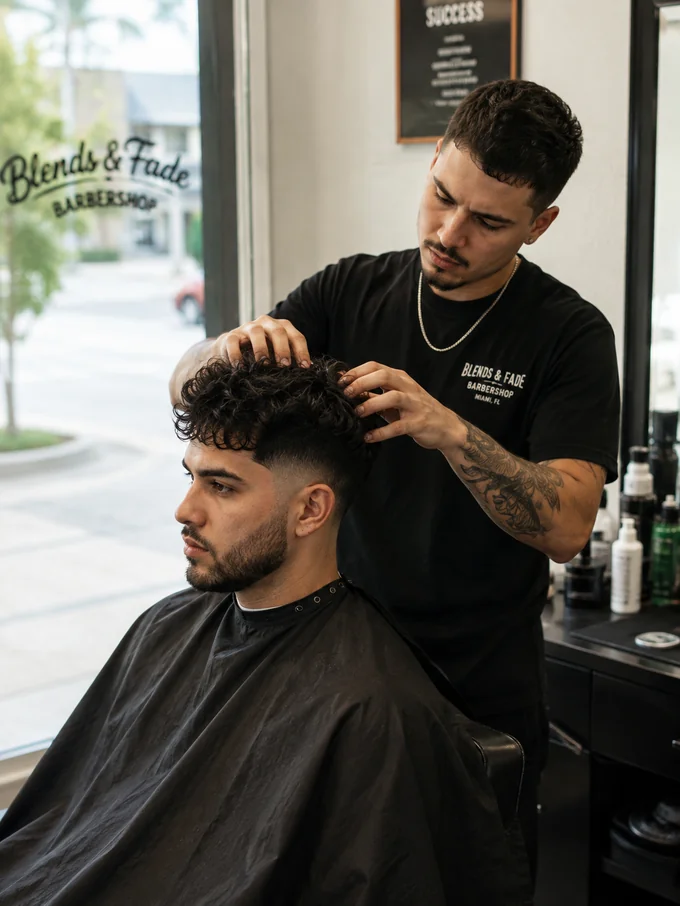
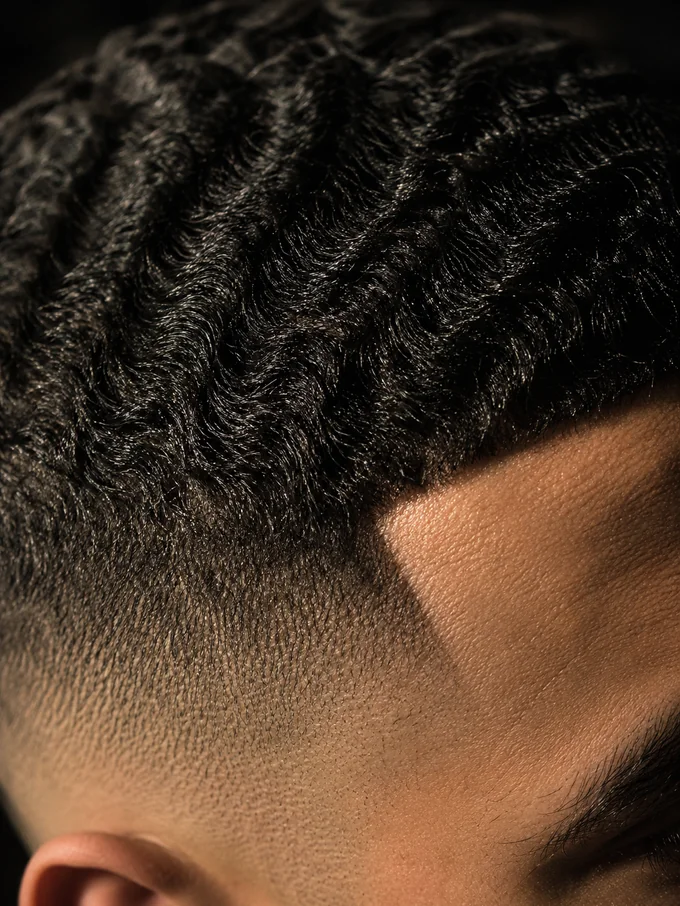
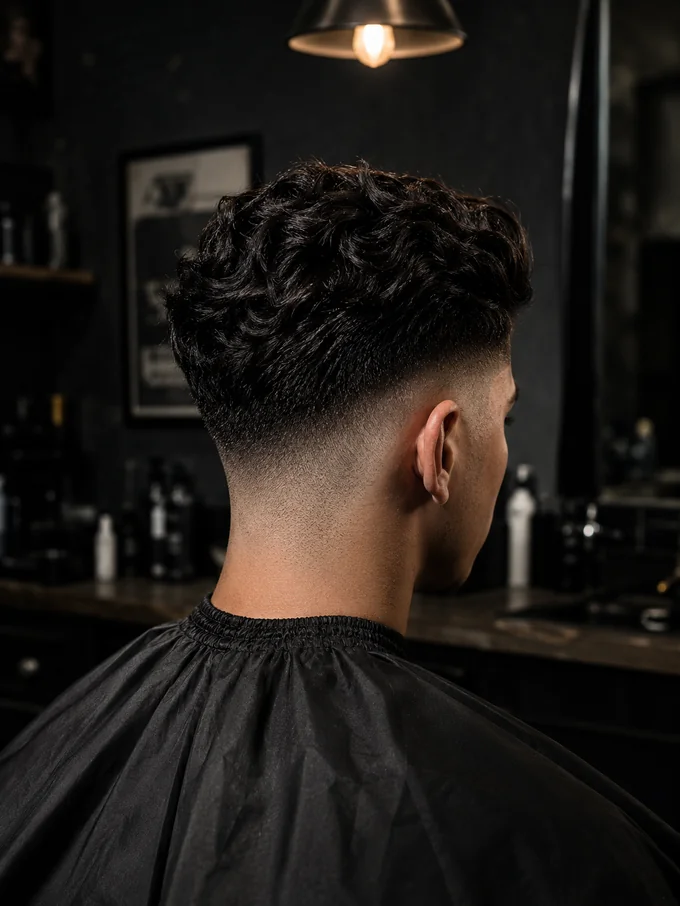
Mid Drop Fade Wavy Hair Gallery
Recommended variations
What to avoid
- Judging the cut too early. If it looks flatter than expected on day one or two, give it a week before deciding the cut is wrong — this is the single most common reason wavy-hair clients feel disappointed by a fresh fade.
- Letting your barber thin or razor-cut the top without asking. These techniques remove weight unevenly and can disrupt how waves clump together, leaving hair looking frizzier instead of more textured.
- Overbrushing or overcombing. Too much brushing flattens the natural wave pattern instead of working with it.
- Heavy, greasy product. Thick pomades can weigh wavy hair down into limp strands rather than defined waves.
- Skipping product entirely. Letting wavy hair air-dry with nothing in it often leads to frizz instead of defined texture, especially in humid weather.
- Comparing day-one photos to old reference photos. A reference photo of a fully settled cut a barber shows you won't match a same-day result — that's the settling period doing its job, not a missed target.